Plan storage around the flask and the remaining pockets
Plan the compartments around the intended flask and everyday items, without treating a capacity label as a fluid recommendation or a universal fit promise.
Updated:
Start with the items, not a capacity slogan
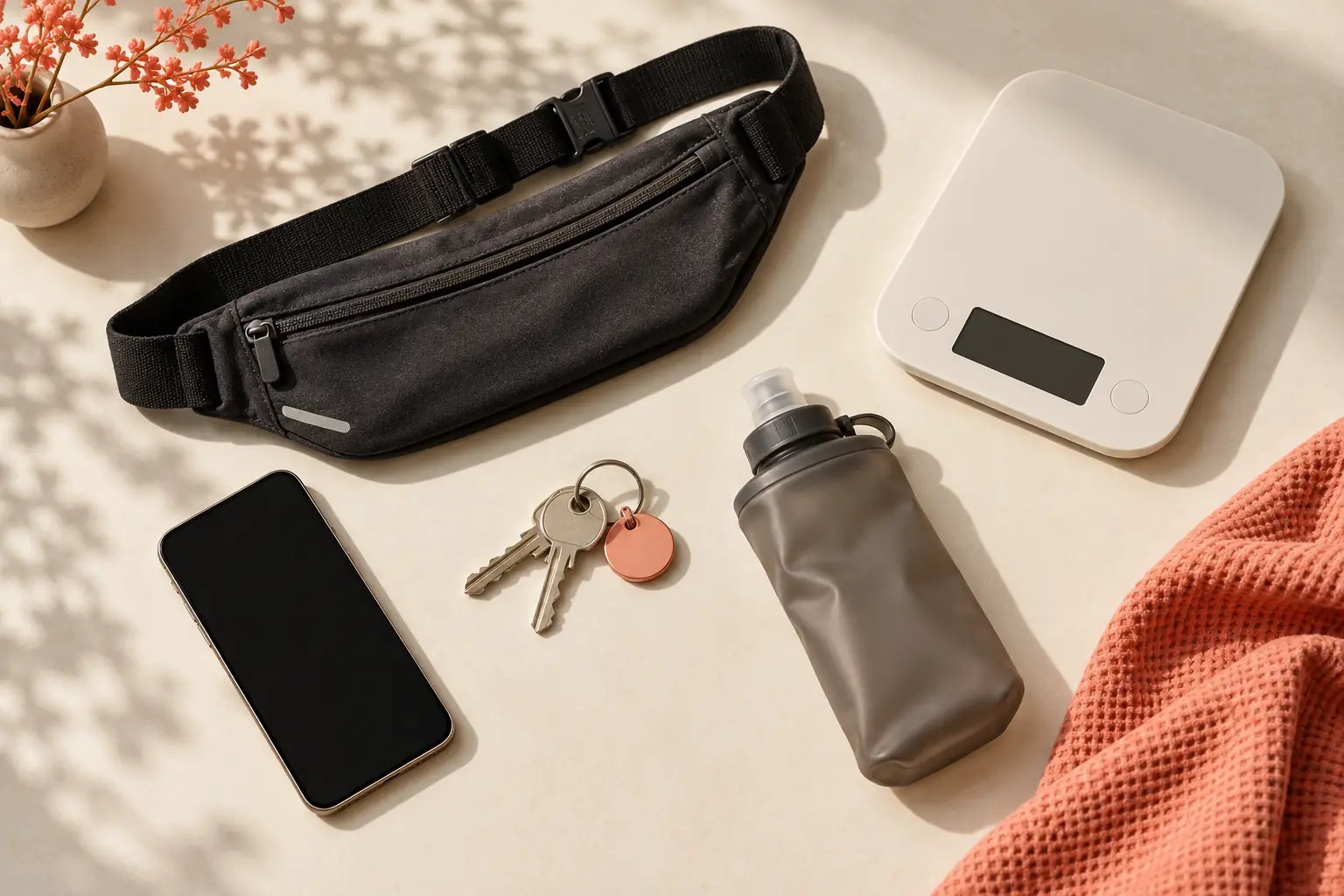
Before comparing running belts, lay out the actual items you expect the storage to accommodate. Keep the container, phone with case, keys and other small items visible in the plan rather than assuming they will all fit around one large compartment. The question is not only whether a belt has storage, but which items occupy which spaces and how those spaces are accessed. A short inventory is easier to verify with a seller than a general request for a belt that carries everything.
CamelBak AU Ultra Belt specifications ?
Use the named flask as the reference
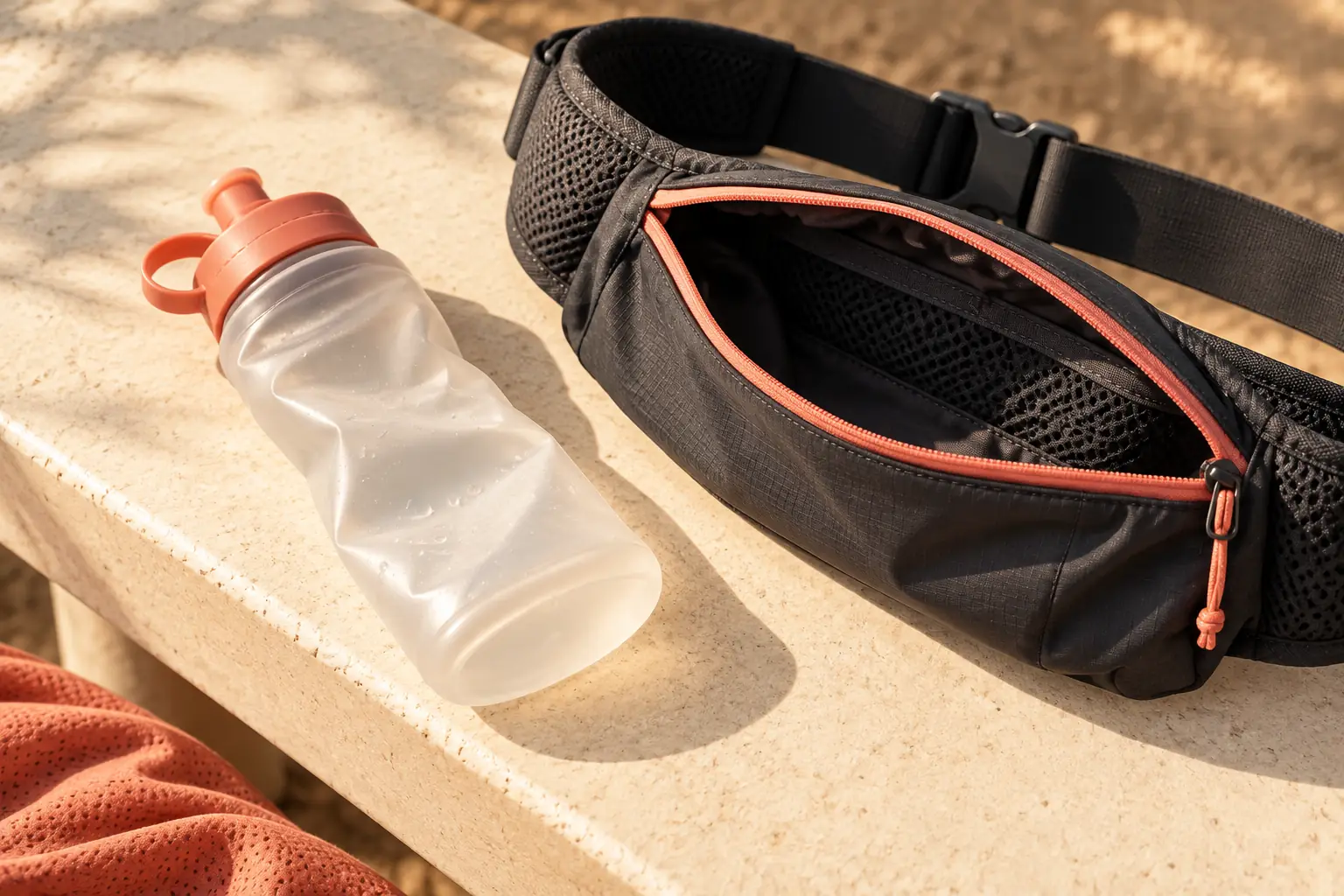
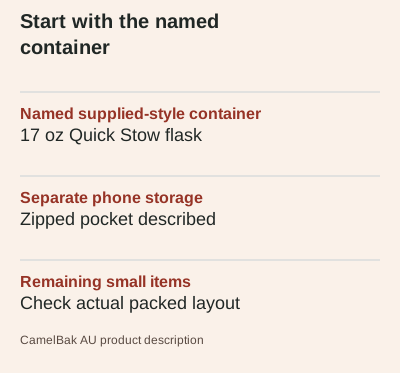
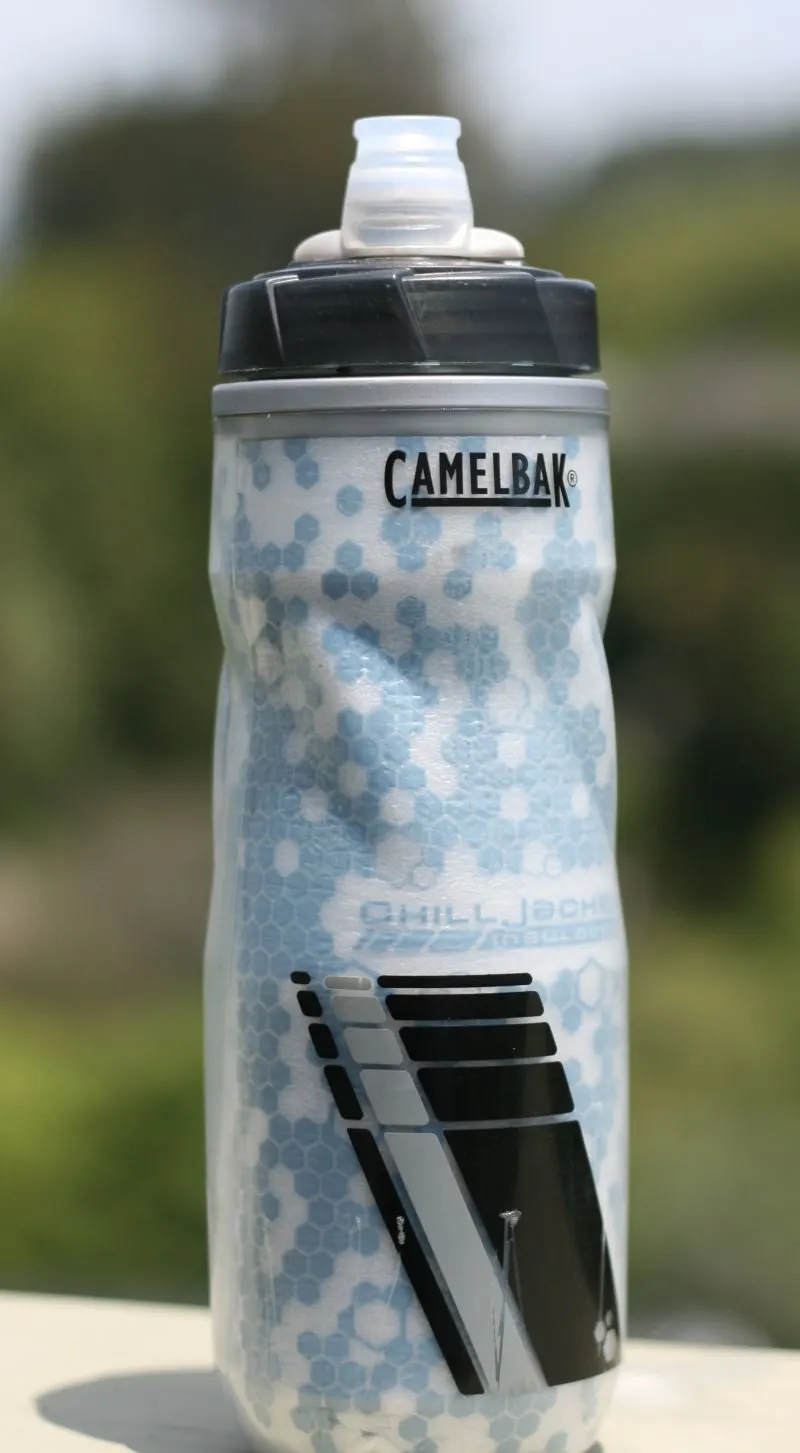
CamelBak Australia's Ultra Belt description refers to a 17 oz Quick Stow flask and separate storage features, including a zipped phone pocket. Treat the named container as part of the documented configuration. A rigid bottle of a similar advertised capacity is not automatically a substitute: its shape, neck and filled profile can differ. The rigid CamelBak bottle pictured in this article is explicitly a different item, included to illustrate that distinction rather than to suggest it fits the Ultra Belt.
Keep outside dimensions out of the volume calculation
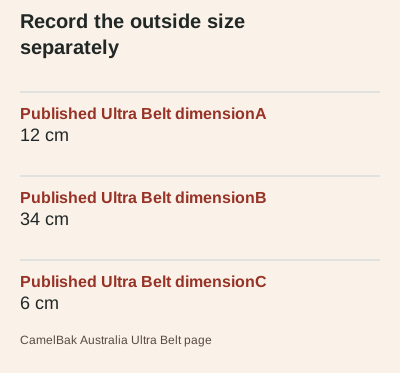
The product page lists 12 cm by 34 cm by 6 cm. Multiplying those numbers would create a rectangular-box calculation, not a verified usable capacity for a shaped fabric belt. Compartments, seams, curvature and the flask arrangement can all make the actual storage question different. Record the published dimensions as specifications, but ask about the usable compartment and intended container when those details matter. Do not present an invented volume as if the manufacturer supplied it.
Check the packed layout as a whole
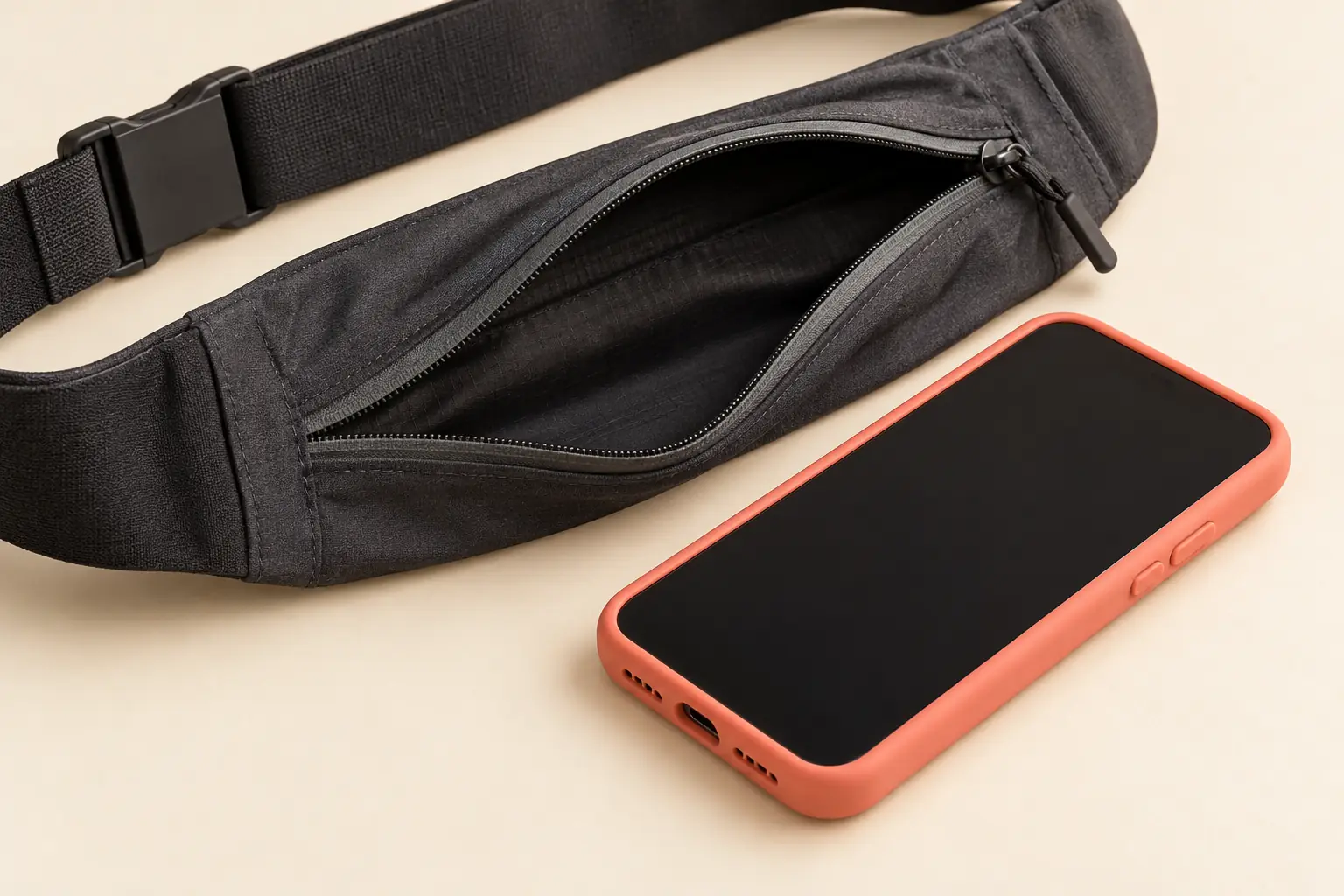
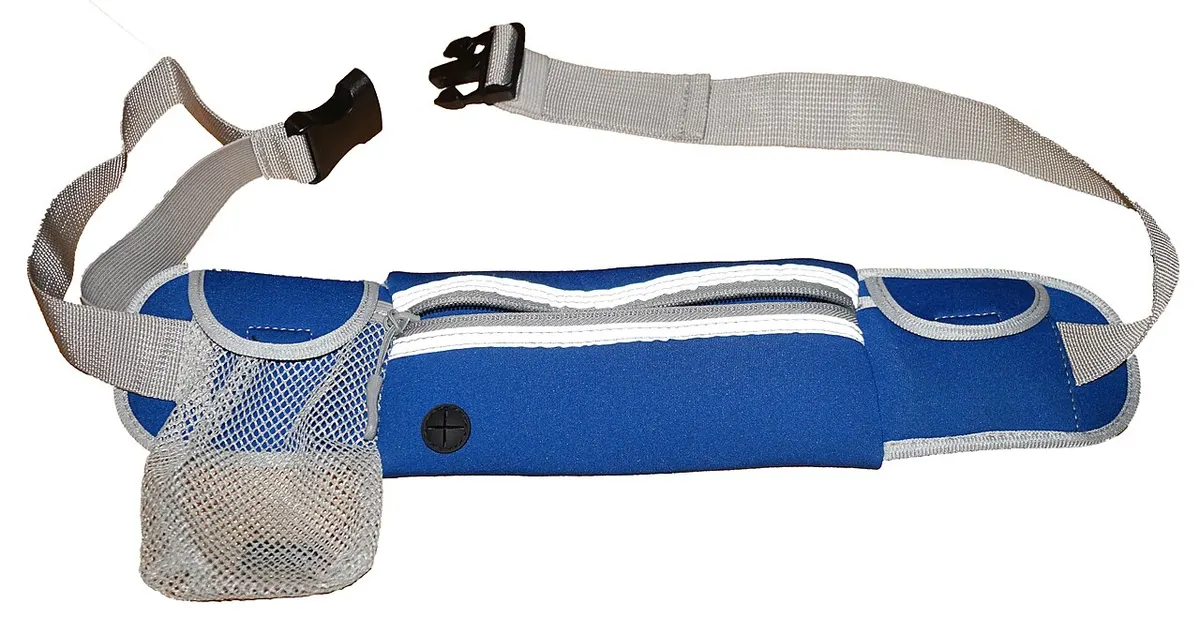
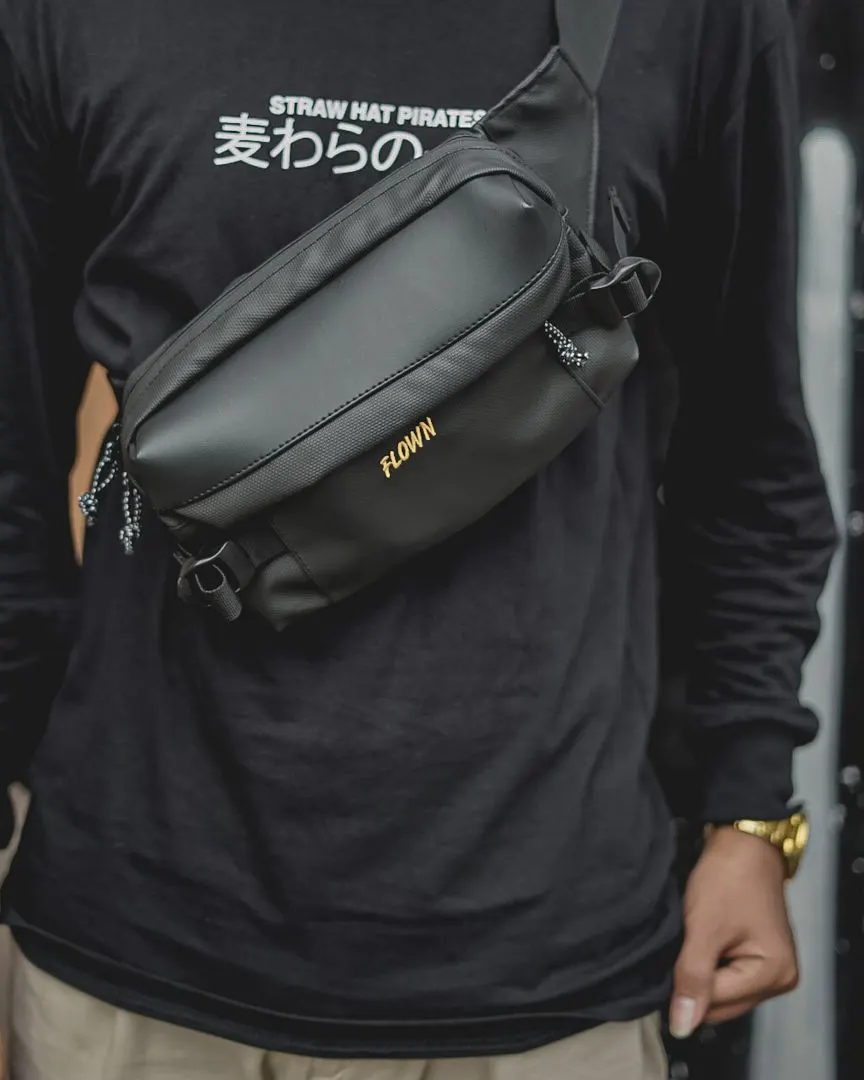
A phone that fits when the other pockets are empty may behave differently in a fully arranged setup. Ask how the intended flask and small items are meant to be stored together, and identify the exact belt size and variant in the enquiry. The archive running-belt photo shows visibly separate pockets, while the other bag photograph shows a different construction. They help illustrate why compartment layout matters, but neither is the Ultra Belt or evidence of its usable space.
Keep fluid needs outside this equipment calculation
A container's labelled capacity does not determine how much a particular person should drink or whether a route plan is appropriate. This guide does not prescribe hydration, endorse a running route or certify a carrying setup for an activity. Its focus is the relationship between equipment descriptions and physical storage. If the intended use has additional requirements, consult the relevant current guidance and manufacturer instructions instead of treating a storage comparison as an answer to a different planning question.
Leave with an identifiable configuration
Your final comparison should name the belt variant, the intended flask, the cased phone and the small items, with unanswered compatibility questions left visible. Check the seller's supplied-item list and current return conditions before paying. If you plan to use a different container, ask about that exact substitution rather than relying on a capacity label alone. The practical result is a configuration you can describe and verify, not a promise that an overall size or a pocket count guarantees everything will fit comfortably.