Separate belt weight from the weight you carry
Keep a published belt weight separate from a measured packed load, and state exactly what was included in each number.
Updated:
A weight needs an inclusion list
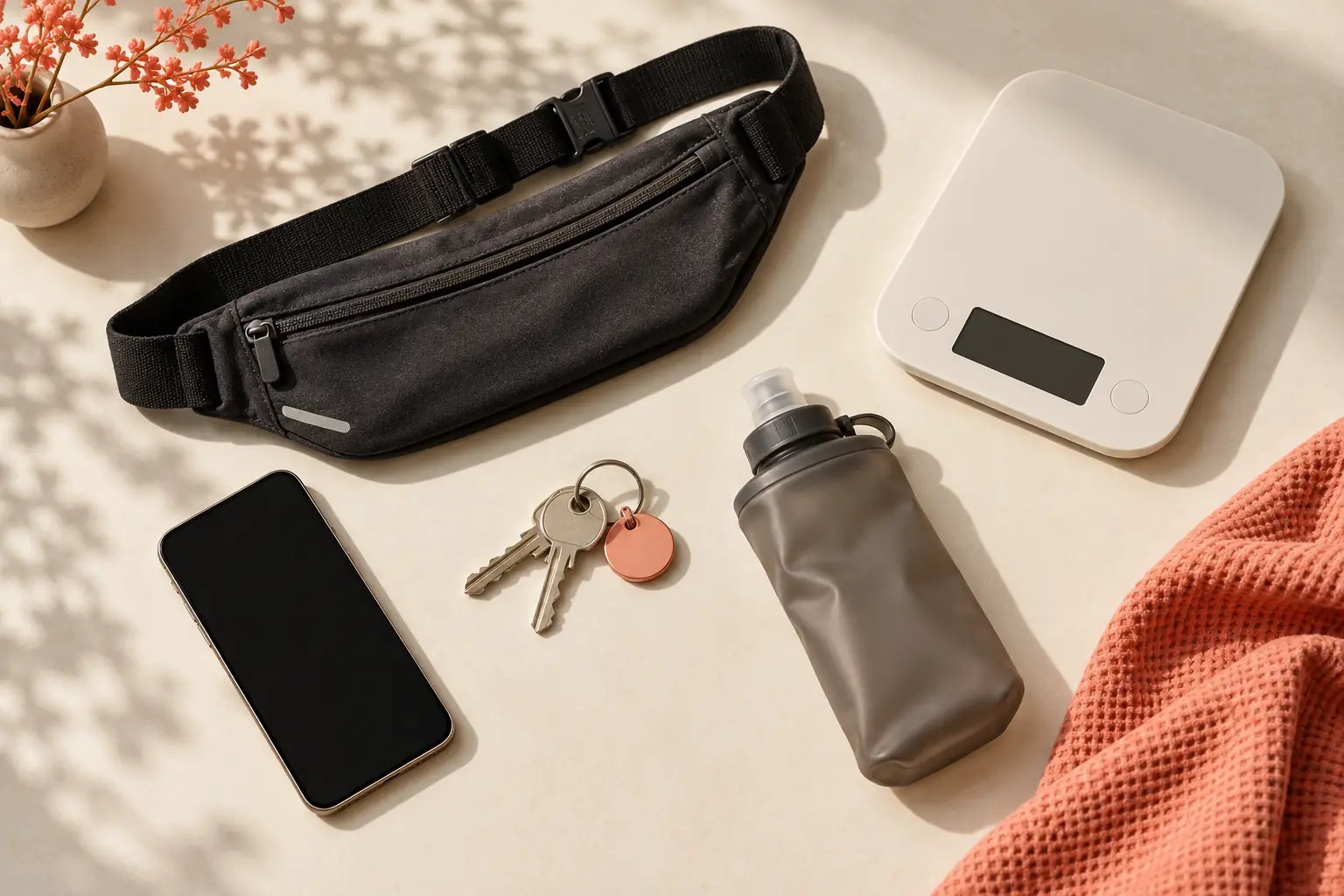
A light-looking belt and a light packed setup are different comparisons. Before using a product-page weight, record what the seller says it includes: the belt alone, a supplied empty flask or another configuration. If that basis is not clear, mark it as unknown. A small number without an inclusion list can make two offers appear comparable when one contains an accessory the other leaves out. The missing detail belongs in a seller question before it becomes a purchasing conclusion.
CamelBak AU Ultra Belt specifications ?
Read the Ultra Belt figure with its limit
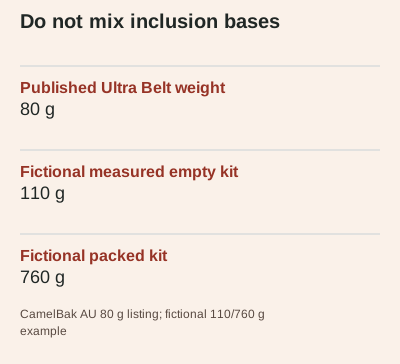
CamelBak Australia's Ultra Belt page publishes 80 g in its dimensions-and-weight section and describes a Quick Stow flask elsewhere on the page. The retrieved weight line does not clearly state the inclusion basis. This guide therefore does not label 80 g as a verified belt-plus-flask weight or an independently measured belt-only result. Keep the figure attached to the page and checked date, then ask the seller what is included for the exact variant being supplied.
Build a separate packed record
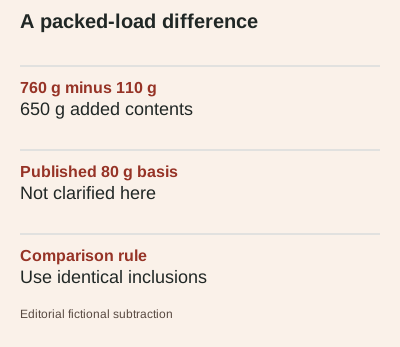
For a fictional example, suppose an empty carrying setup is measured at 110 g and the same setup with all intended contents at 760 g. The difference is 650 g. Those invented numbers illustrate how to record a change; they are not measurements of the Ultra Belt or recommended loads. The important condition is that the same belt and included accessories appear in both measurements. Otherwise the subtraction would combine a contents change with an equipment change and become harder to interpret.
Keep contents and containers distinct
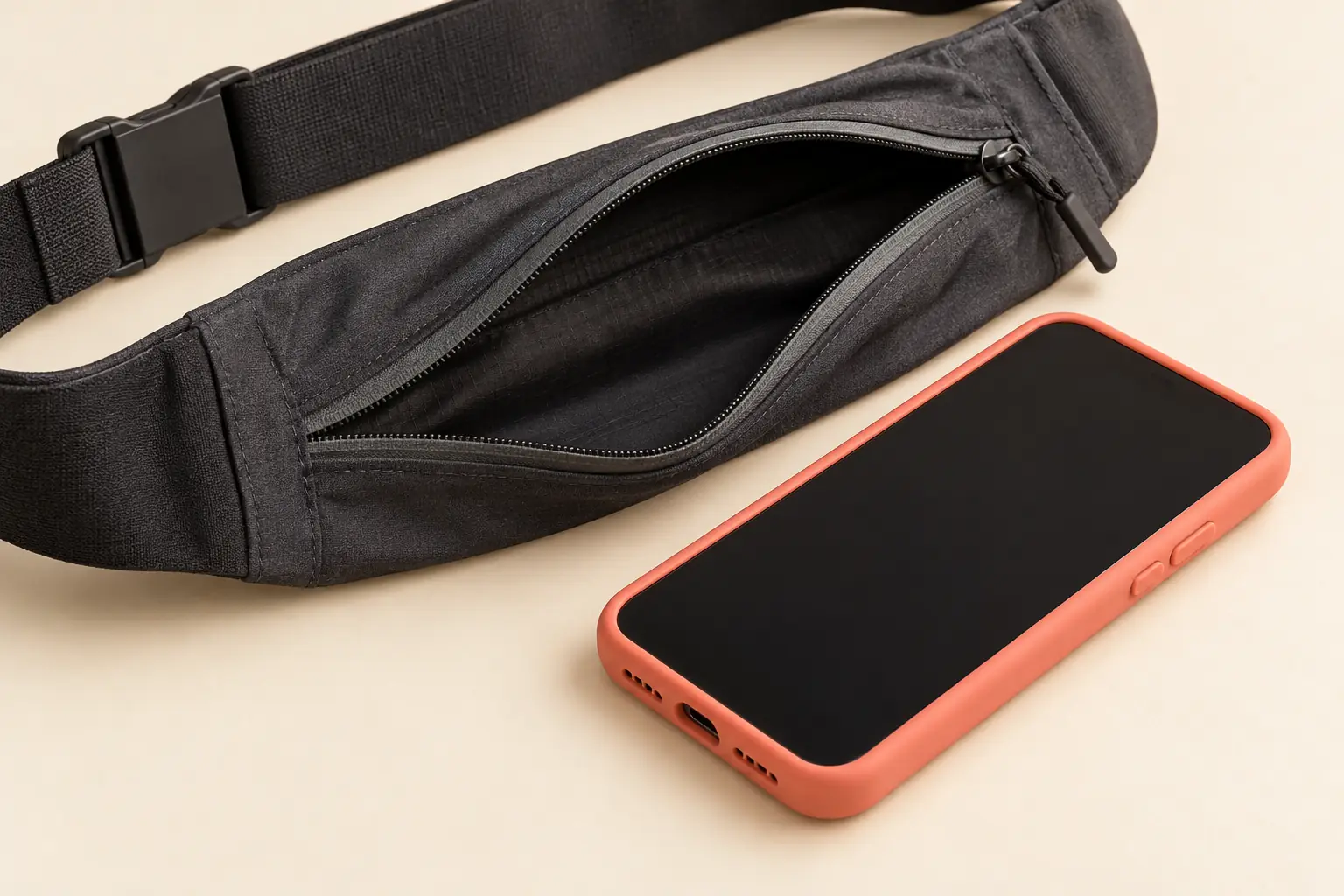
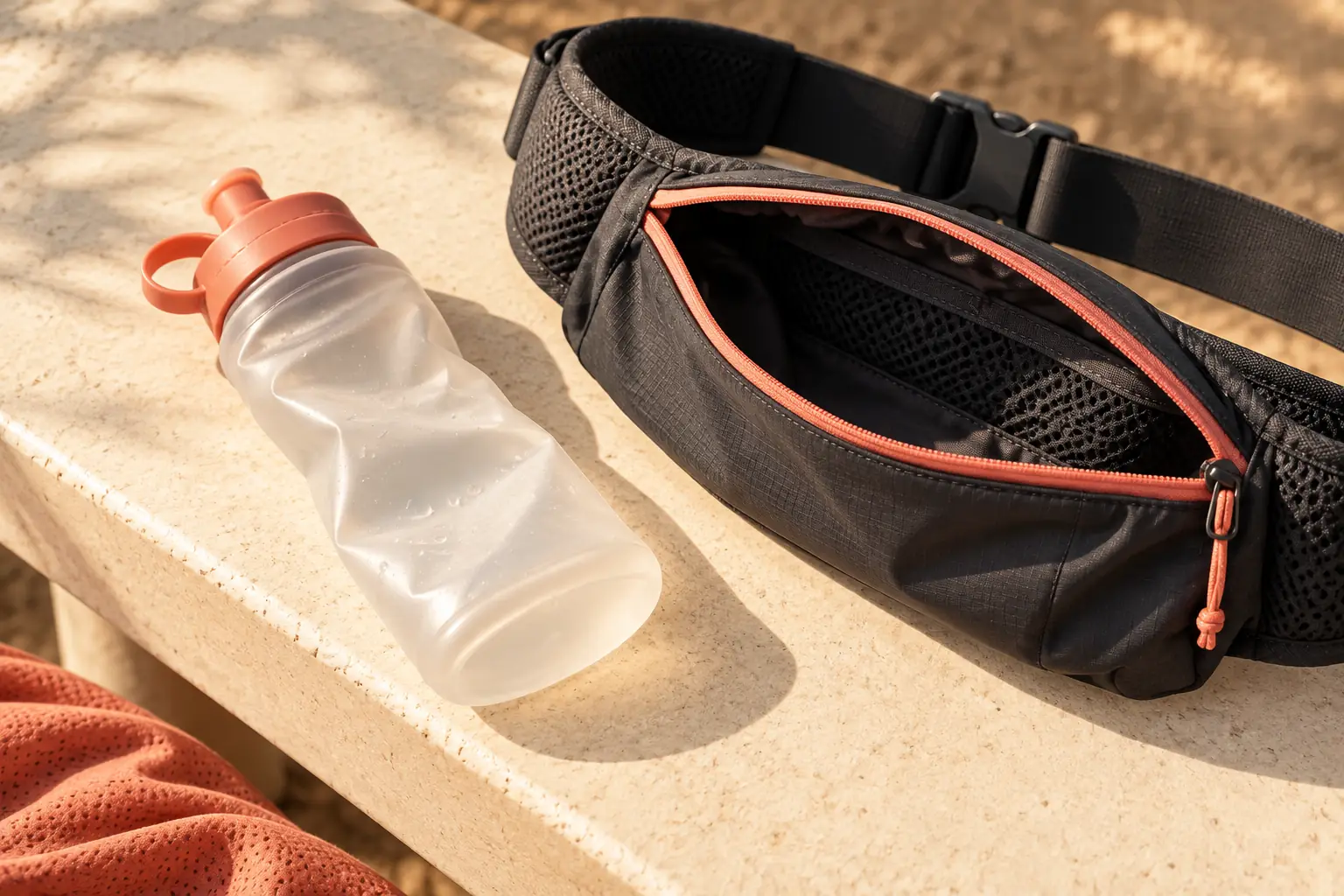
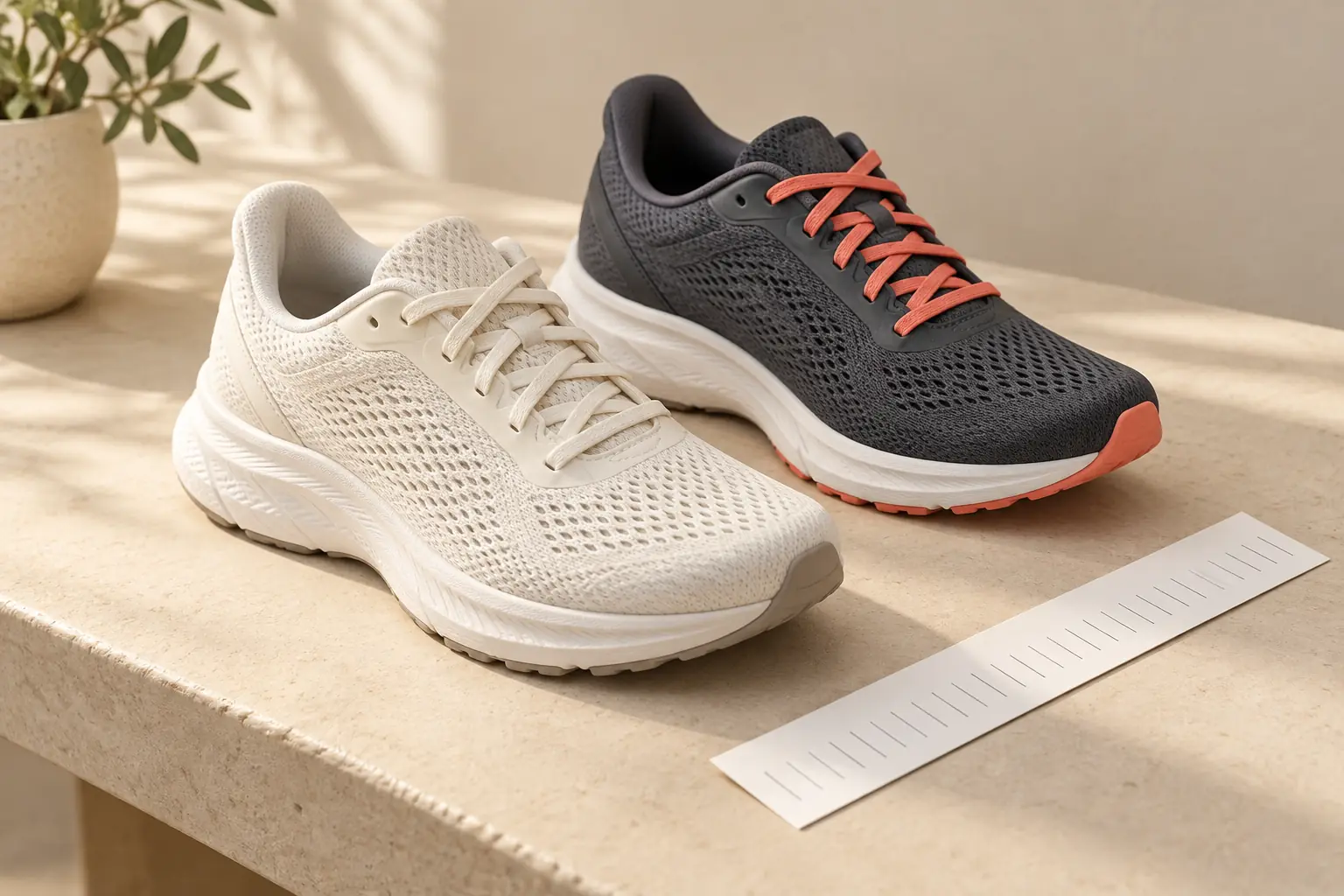
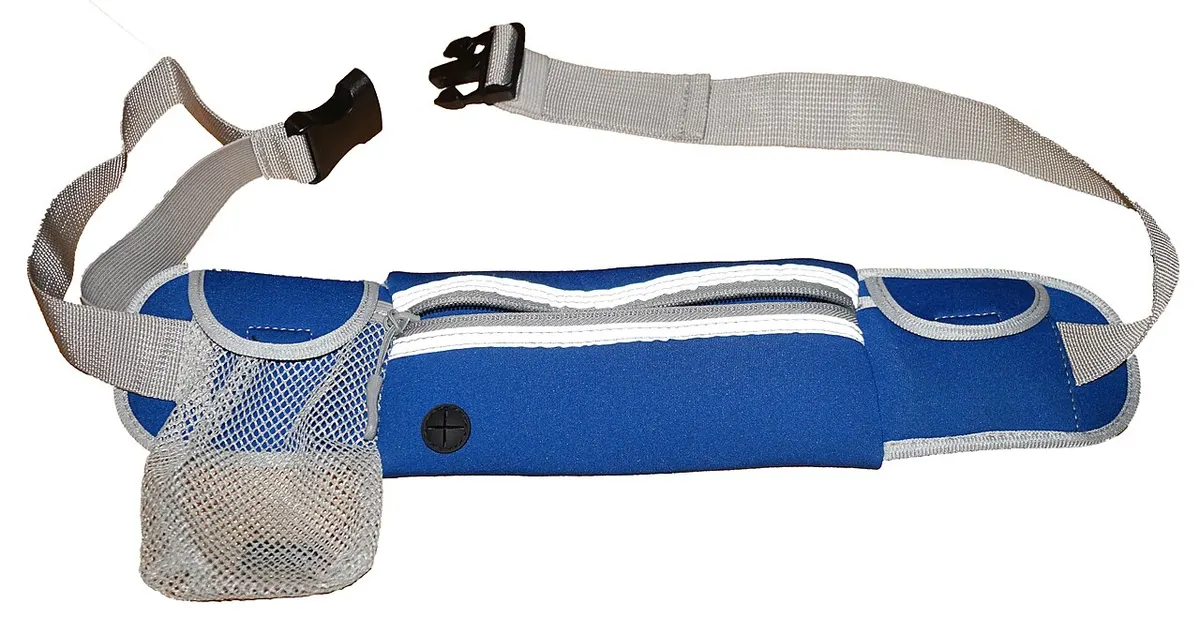
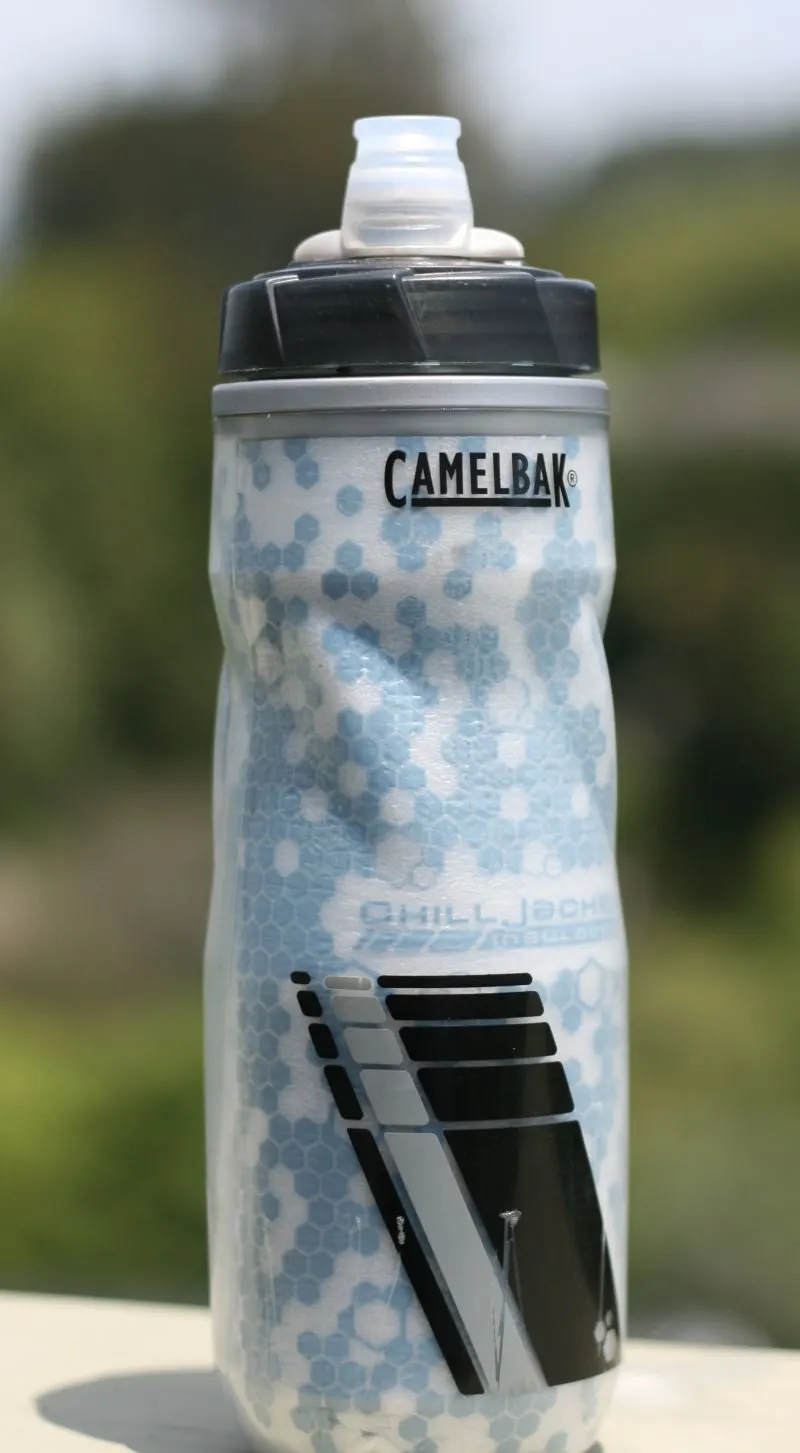
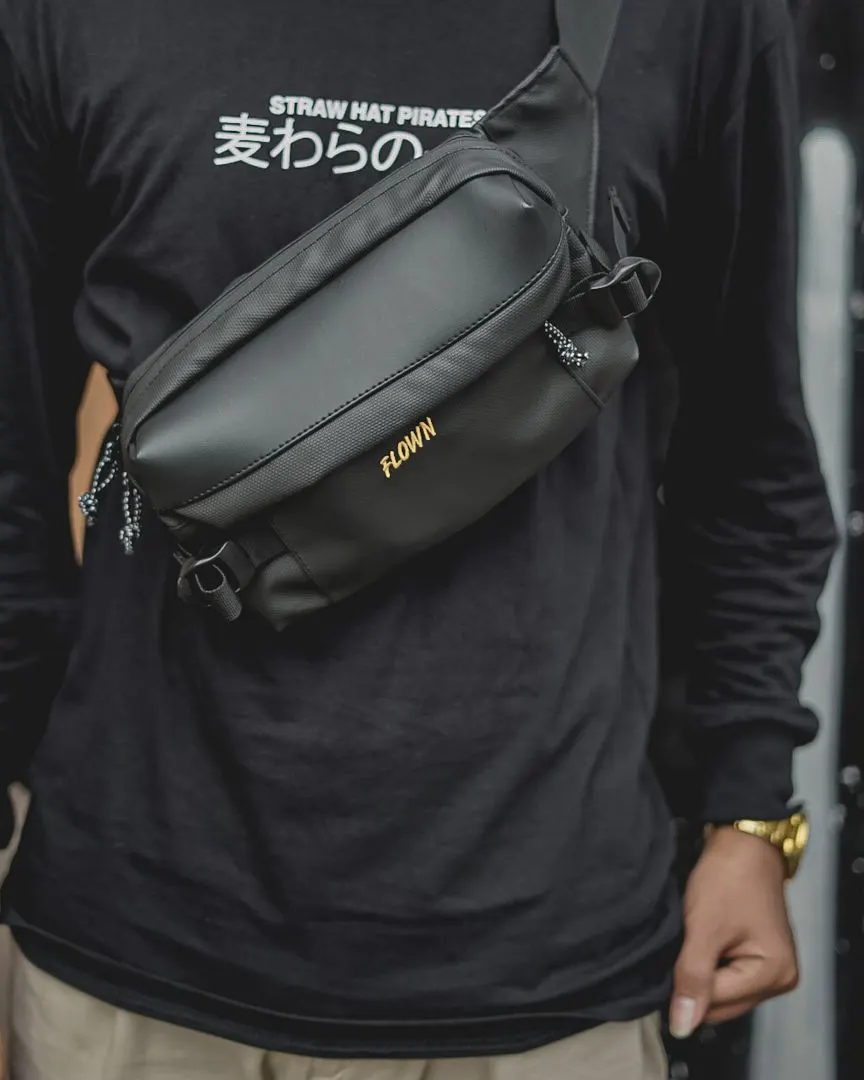
List the phone and case, keys, containers and other items separately when you need to understand what changed between two packed records. An empty container still contributes to the load, and swapping its shape can affect storage even if the weight is similar. The photographs here are labelled examples of a running belt, a rigid bottle and another bag style. They are not a tested combination, and the rigid bottle is not the collapsible flask described on the Ultra Belt page.
Avoid converting a total into a suitability claim
A packed mass does not establish comfort, stability, durability or suitability for an individual. This guide gives no maximum carrying recommendation and does not prescribe hydration or training. If a belt manufacturer states limits or configuration instructions, consult those for the exact model rather than assuming that a lower measured number resolves every question. Keep practical observations distinct from the arithmetic, and do not describe a stationary fit check as proof of how the setup behaves throughout an activity.
Compare like-for-like setups
When choosing between carrying options, use the same contents list and the same definition of empty equipment for each comparison. Save the published specification separately from your own observations and identify which is which. If the seller cannot explain the 80 g basis, leave that uncertainty visible instead of silently adopting the interpretation that makes the offer look best. The next useful action is to clarify inclusions or weigh an actual complete setup, not to rank products using numbers that describe different things.