Read roller materials without turning firmness into a health claim
Separate the GRID X material declaration and care instructions from claims about firmness or therapeutic outcomes.
Updated:
Read construction before interpreting claims
A roller product page can combine material information, care instructions and broad claims about how the product feels or what it may do. Keep those categories separate in a comparison. Start with the exact model and the physical construction the manufacturer describes. A material name can help identify what the product is made from, but it does not tell you whether the equipment is appropriate for a particular person or establish an outcome from using it.
TriggerPoint GRID X current manufacturer page ?
Use the declaration for what it says
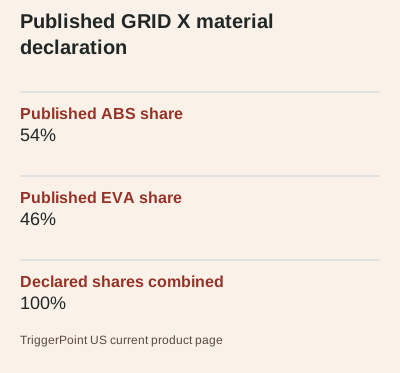
The current TriggerPoint US GRID X page lists 54% acrylonitrile butadiene styrene and 46% ethylene vinyl acetate foam. Those declared shares add to 100%. The page also describes a hollow core and an extra-firm EVA surface. These are manufacturer statements, not results of our own material testing. The percentages should not be converted into an unsupported claim about recycled content, product lifetime, surface thickness or environmental impact; those are different properties requiring their own evidence.
Do not rank suitability from firmness alone
The page positions the GRID X as the firmest model in its GRID line. Treat that as the manufacturer's description within that range, not a calibrated scale that makes every roller from every brand directly comparable. A firmer product is not automatically a better purchase for every person. This guide does not prescribe a technique, diagnose discomfort or endorse therapeutic claims. If the decision depends on individual health needs, seek appropriate advice rather than using a material percentage as a substitute.
Keep care instructions attached to the model
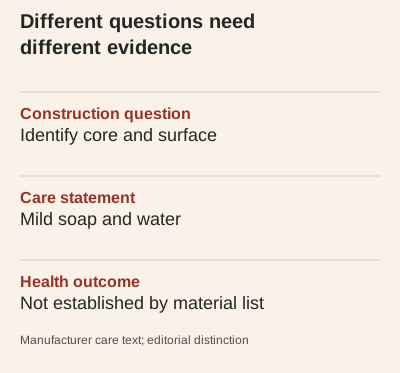
The manufacturer's care text calls for mild soap and water. Follow the complete current instructions for the actual product rather than transferring a cleaning routine from a different material or appliance. Do not infer that water resistance means every cleaning method or prolonged immersion is acceptable. If the published instruction is too brief for a particular situation, ask the supplier for clarification. Keep that answer with the model record so a later replacement does not inherit advice intended for another item.
Use photographs to understand the construction question
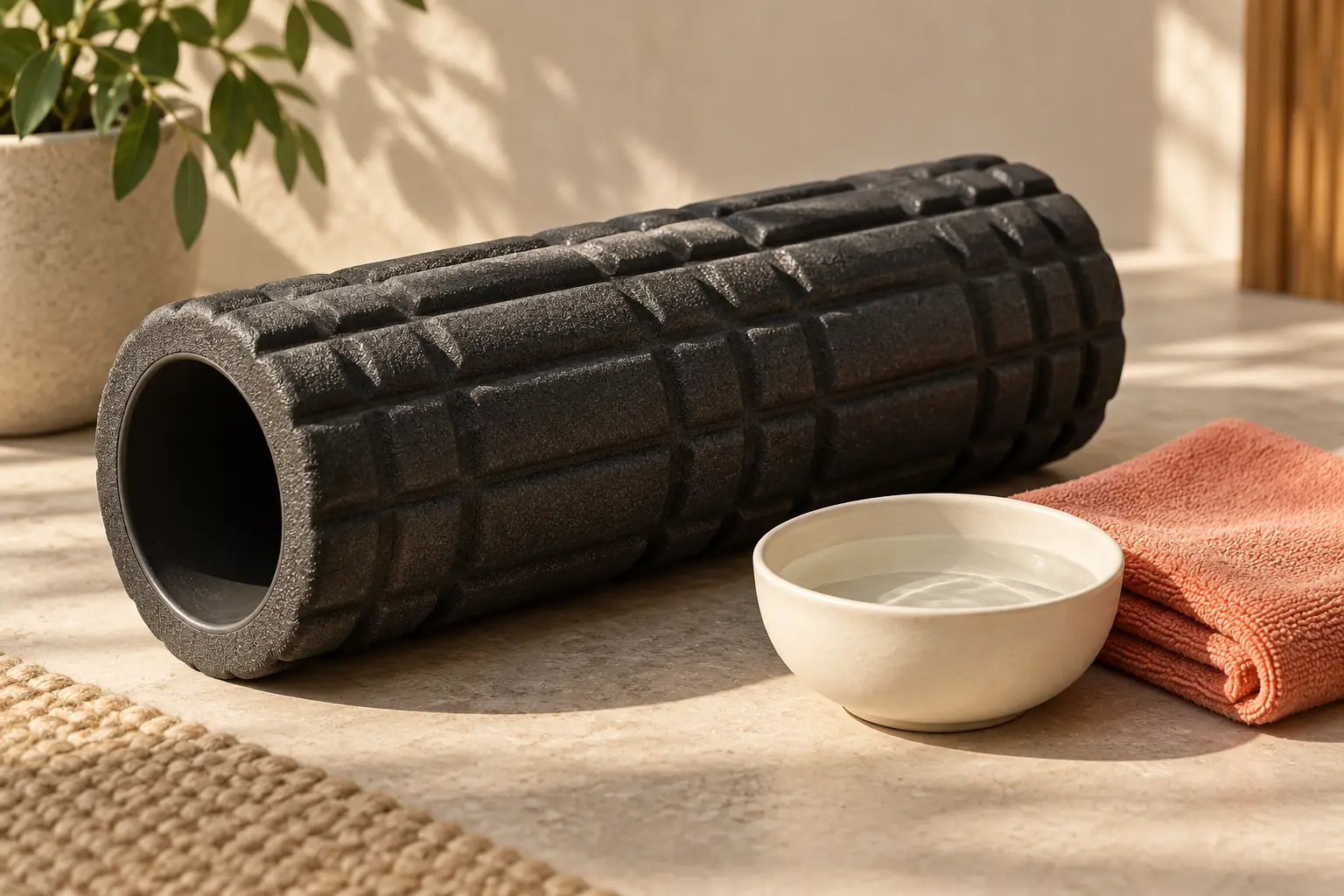
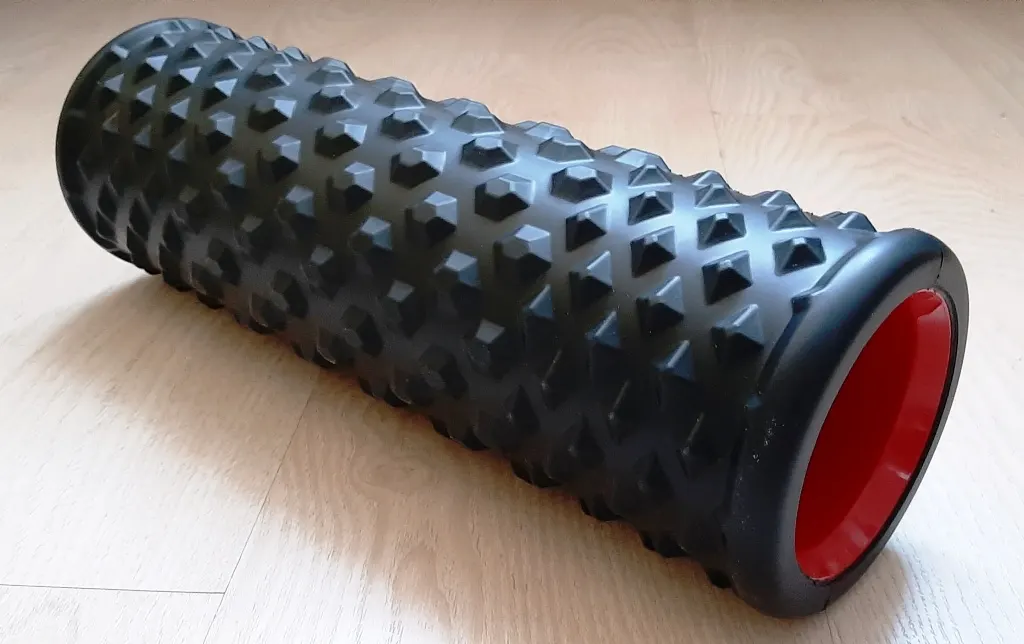
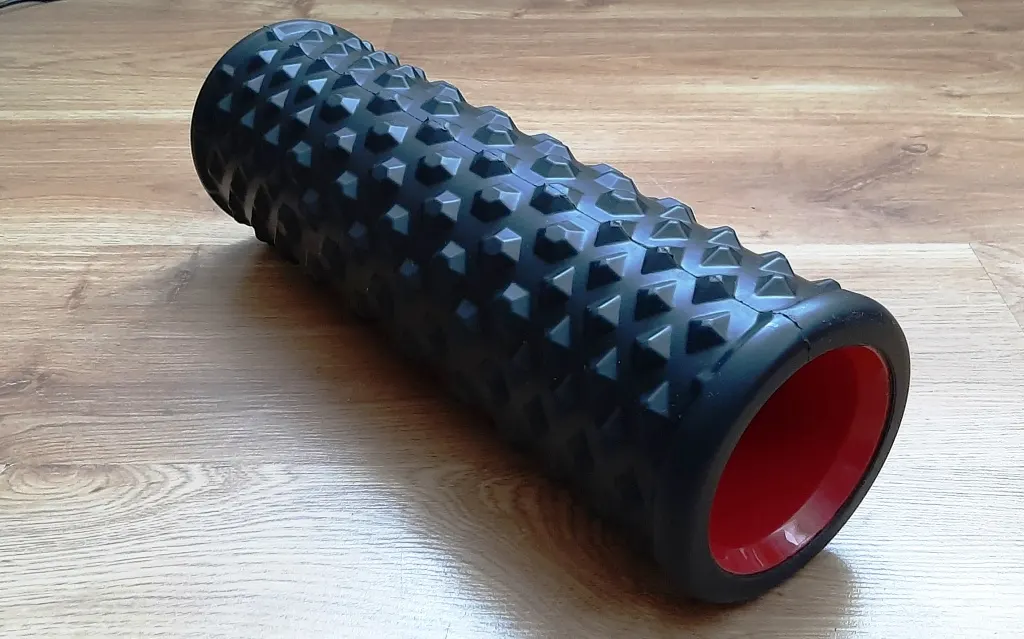
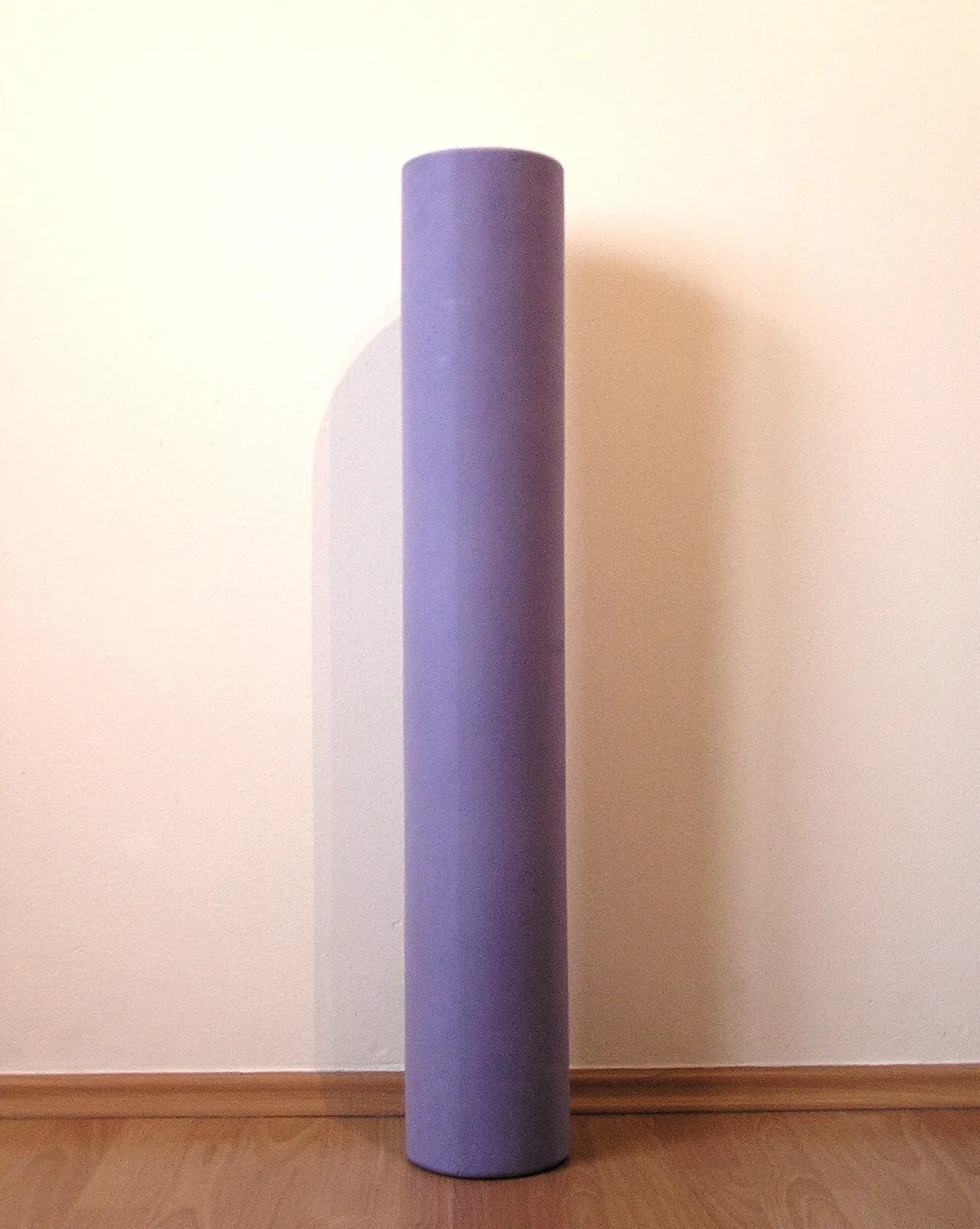
The licensed photographs show a textured hollow-core roller and a separate smooth roller. They provide visual context for asking about the surface and core, but they are not GRID X photographs or proof of its composition. A similar-looking texture does not establish identical materials, density or performance. The captions identify these limits so the images support the buying question without being mistaken for a product test or a demonstration of how the equipment should be used.
Keep the local purchase record separate
The cited manufacturer page is a US source and says it does not ship internationally. Use it as documentation, then confirm the Australian seller's exact variant, delivered AUD quote and current terms separately. Save the material declaration and care link with the purchase record if those details matter to your comparison. The useful next step is to resolve a specific unanswered construction or care question. A clear specification note can support a purchase decision without turning marketing language into a guarantee about comfort, recovery or health.