Build a purchase file for kit bought across several shops
Connect each piece of running equipment to the shop that sold it, using a simple purchase file that preserves item details and proof.
Updated:
Keep the seller attached to each item
A running setup may come from several shops even when you bought everything during the same week. Give each item its own purchase row, with the seller, date, description and receipt or order reference. A single folder called running kit is useful, but a single total is not enough to establish which business supplied a particular item. Keep the exact shoe variant, belt size or watch version alongside the transaction so the record remains useful after packaging has been put away.
ACCC proof-of-purchase guidance ? ACCC price-display guidance ?
Do not merge separate transactions
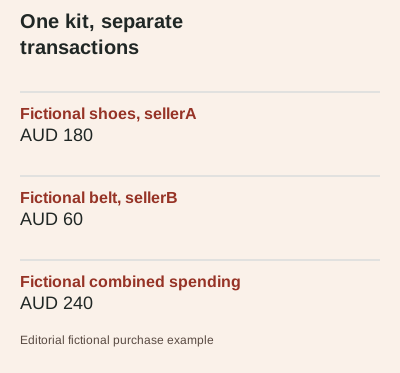
In a fictional example, shoes from sellerA cost AUD 180 and a belt from sellerB costs AUD 60. The personal spending total is AUD 240, but that sum does not turn the purchases into one sale. These invented amounts are not current offers. If you later ask about the belt, use the sellerB record and the belt description rather than presenting a combined kit total that obscures the relevant transaction. The same principle applies when a marketplace displays several sellers in one shopping interface.
Know when to ask for the receipt
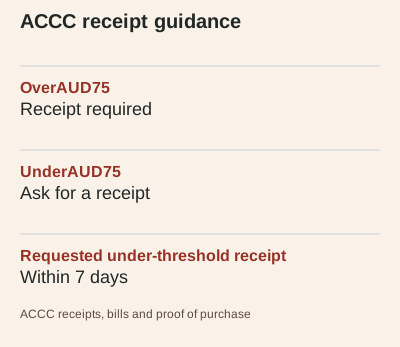
The ACCC page says businesses must provide receipts for purchases over AUD 75 and, for purchases under AUD 75, provide one within 7 days when requested. Its summary uses over and under wording; this guide does not infer the exact AUD 75 boundary from that phrasing. For a low-cost accessory, asking for a receipt at purchase is a straightforward way to keep the record complete. Retain the business name and item detail rather than relying only on a payment notification that may not identify what was supplied.
Keep alternative proof in context
The ACCC also describes other forms of proof of purchase, including transaction and reference information, and notes that more than one item of evidence may be needed. Preserve what you have without claiming that every document is sufficient by itself. A bank entry might establish a payment while an order confirmation identifies the product. Linking the two can make a file easier to understand, but the appropriate evidence and outcome still depend on the circumstances of an individual enquiry.
Store the record privately and clearly
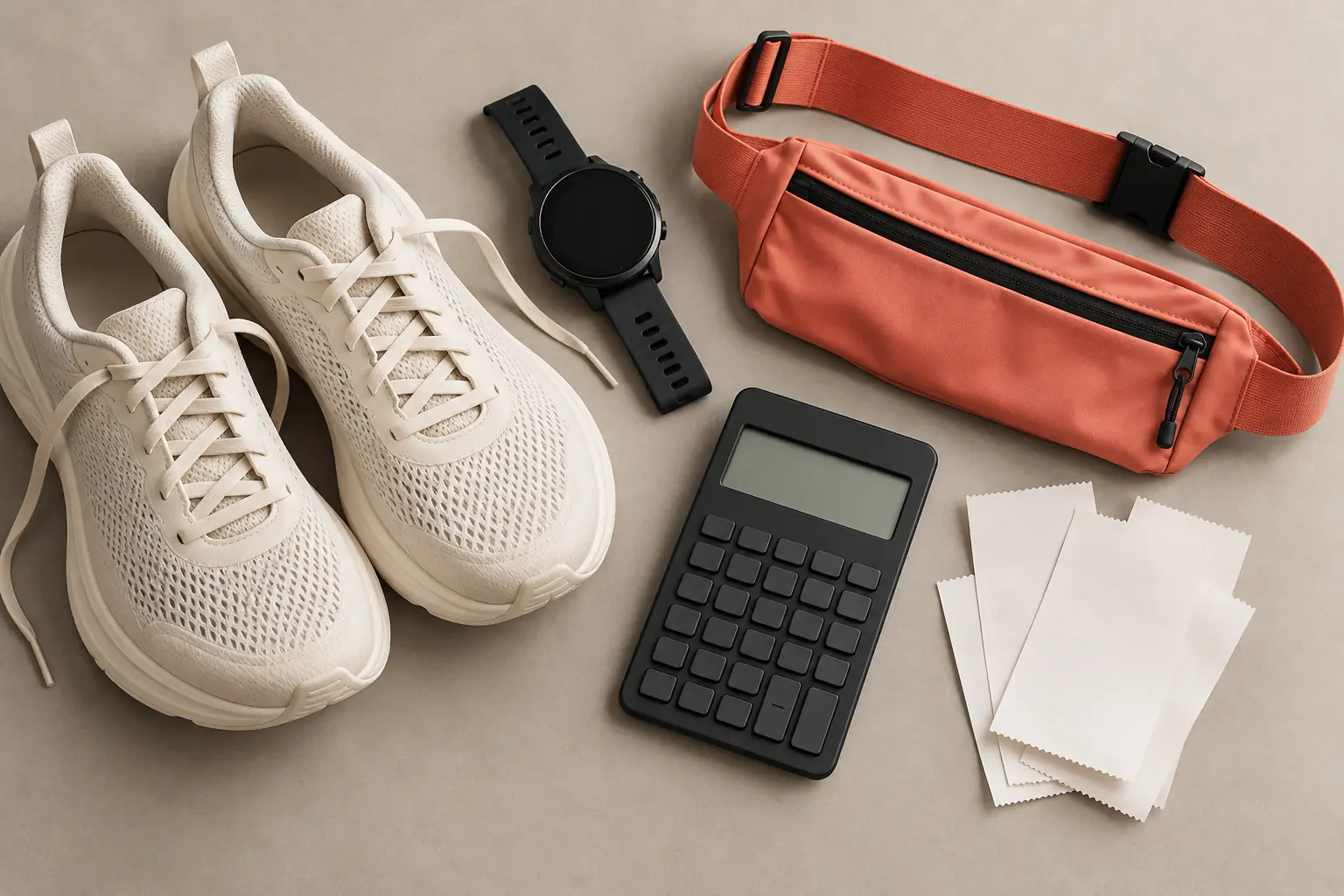
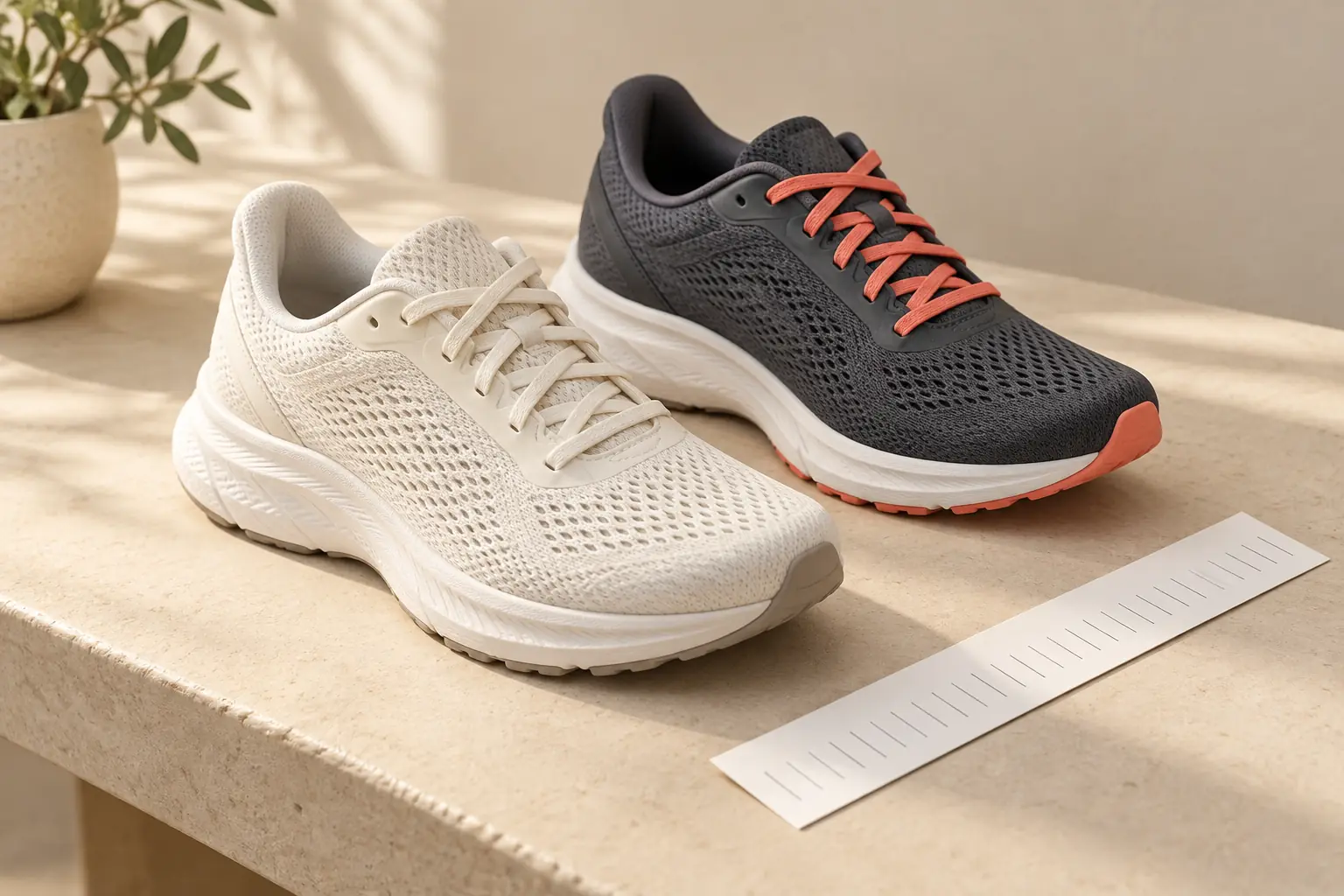
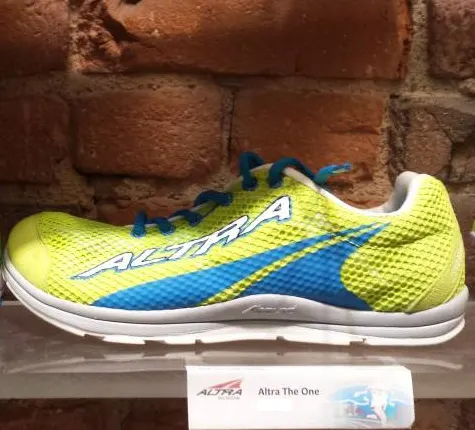
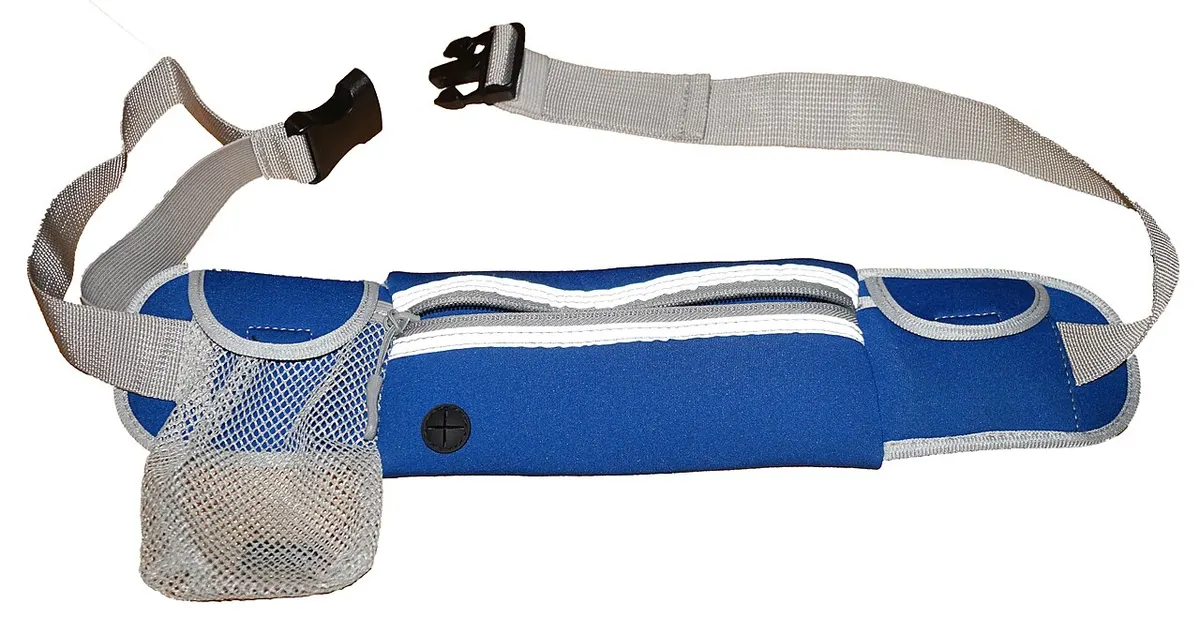
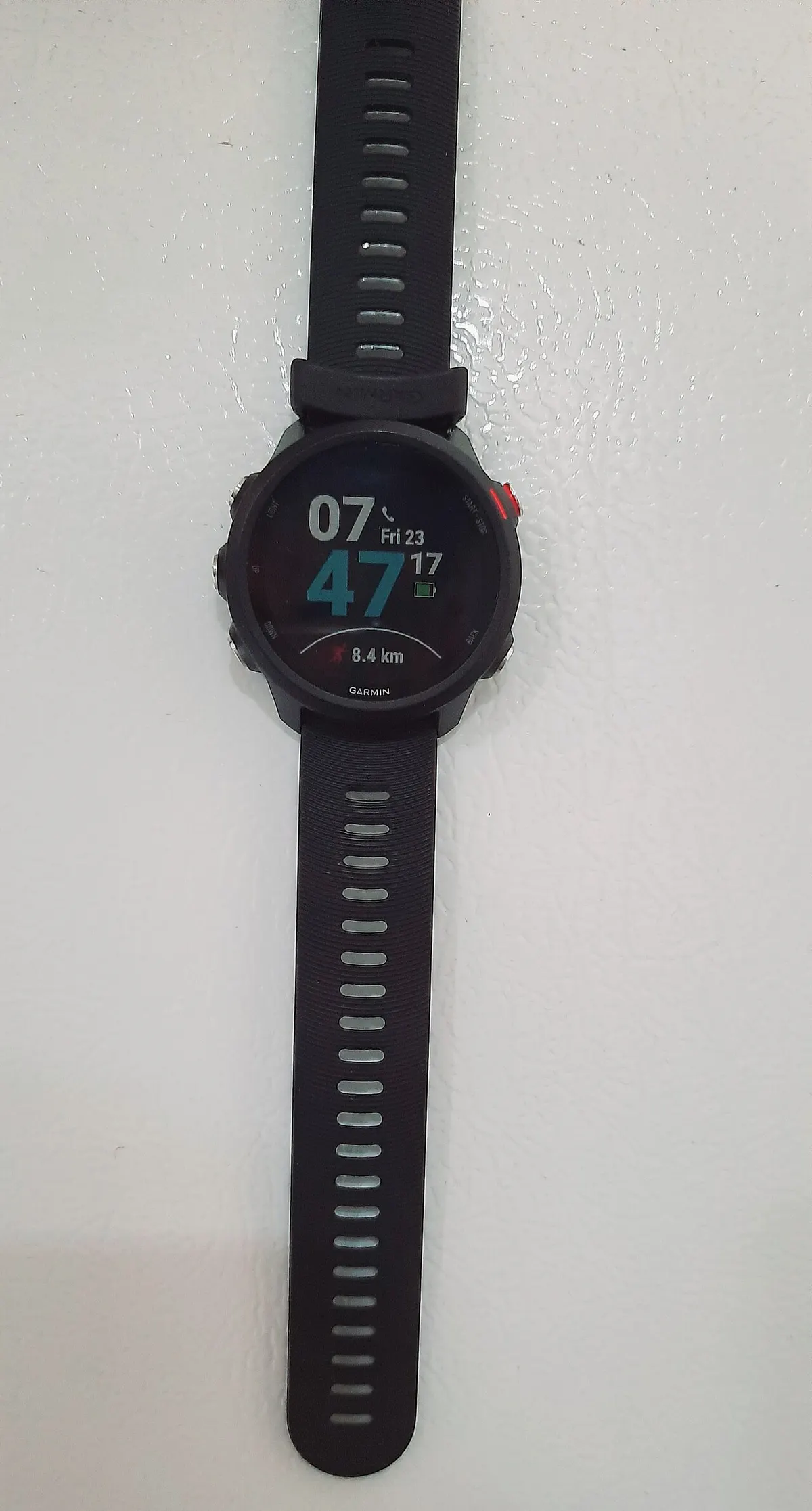
Keep personal details, order references and device identifiers in a private file. Use a naming convention that lets you find the seller and item without opening every attachment. A photo of a receipt can be useful, but check that the important text is readable before discarding a working copy. The equipment photographs in this article are licensed category examples, not the goods in the fictional purchases or evidence that any particular shop supplied them.
Review the file when the kit changes
When an item is exchanged, replaced or refunded, add the new document and explain its relationship to the original purchase instead of silently overwriting the earlier record. Keep the actual refund or replacement outcome separate from an unconfirmed request. Before making a support enquiry, open the item row and check that it points to the correct seller and current variant. The useful result is a traceable equipment history, not a promise that a receipt alone determines every consumer-law question.
Open official model documentation ? Open official model documentation ?